Solar Subsidy in India 2026: Complete Guide to PM Surya Ghar Yojana, Eligibility, Benefits & Savings
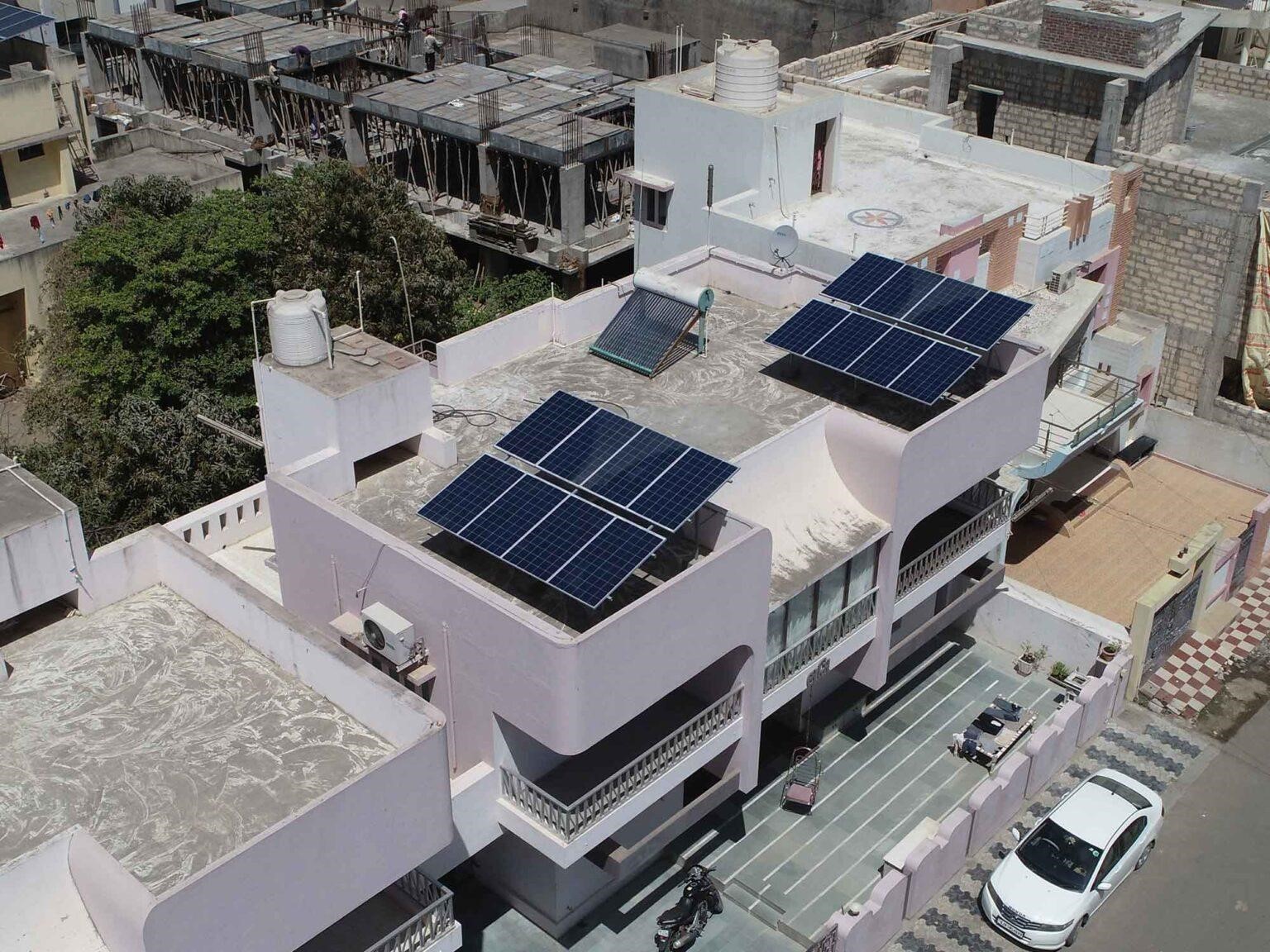
With rising electricity costs and increasing awareness about renewable energy, rooftop solar systems are becoming one of the smartest long-term investments for homeowners across India. To encourage solar adoption, the Government of India has introduced subsidy programs under the PM Surya Ghar Yojana to make rooftop solar systems more affordable and accessible.
Today, residential solar systems not only help reduce electricity bills but also provide long-term savings, energy independence, and sustainable living benefits.
At Sunrays Engineering & Solar Tech, we help homeowners understand the solar subsidy process and provide complete support from consultation and installation to rooftop solar execution and guidance.
What is PM Surya Ghar Yojana?
PM Surya Ghar Yojana is a Government of India initiative designed to encourage residential rooftop solar adoption across the country.
The scheme aims to:
- Promote clean energy
- Reduce electricity expenses
- Support sustainable living
- Increase rooftop solar installations
Under this initiative, eligible homeowners can receive financial subsidy support for installing rooftop solar systems.
What is Rooftop Solar Subsidy?
A rooftop solar subsidy is financial support provided by the government to reduce the initial cost of installing residential rooftop solar systems.
This makes solar energy more affordable for homeowners and encourages the use of renewable energy solutions.
The subsidy amount depends on:
- Solar system capacity
- Eligibility
- Applicable government guidelines
Benefits of Rooftop Solar Systems
Installing rooftop solar systems offers several long-term benefits for homeowners.
Key Benefits
- Significant reduction in electricity bills
- Long-term financial savings
- Sustainable and eco-friendly energy
- Reduced dependency on traditional power supply
- Low maintenance requirements
- Increased property value
- Reliable long-term energy solution
Approximate Rooftop Solar Subsidy Structure
| Solar System Capacity | Subsidy Support* | Approximate Subsidy Amount* |
|---|---|---|
| 1 KW | Applicable as per government norms | Up to ₹30,000 |
| 2 KW | Higher subsidy eligibility | Up to ₹60,000 |
| 3 KW & Above | Additional support based on guidelines | Up to ₹78,000 |
*Subsidy structure may vary based on latest government policies and applicable regulations.
Who is Eligible for Solar Subsidy?
Homeowners meeting certain conditions may become eligible for rooftop solar subsidy support.
General Eligibility Criteria
- Residential property owner
- Valid electricity connection
- Suitable rooftop area
- Eligibility under applicable government guidelines
- Net metering compliance eligibility
Documents Required for Rooftop Solar Subsidy
| Document | Purpose |
|---|---|
| Electricity Bill | Consumer verification |
| Aadhaar Card | Identity proof |
| PAN Card | Compliance documentation |
| Property Documents | Ownership verification |
| Passport Size Photo | Application support |
Step-by-Step Solar Subsidy Process
Understanding the subsidy process becomes easier when broken into simple steps.
Step 1 – Consultation & Requirement Understanding
- Electricity consumption
- Rooftop availability
- Energy requirements
- Solar system suitability
Step 2 – Site Survey & Technical Assessment
- Roof structure
- Sunlight availability
- Installation feasibility
- Safety considerations
Step 3 – Customized Solar System Design
- Energy consumption
- Rooftop space
- Operational requirements
- Future scalability
Step 4 – Solar Installation & Engineering Execution
- Panel installation
- Electrical integration
- Mounting structure setup
- Inverter installation
- System testing
Step 5 – Net Metering Process
Net metering allows homeowners to export excess solar power generated by the rooftop system to the electricity grid, helping improve long-term savings.
Step 6 – Subsidy Support Guidance
After successful installation and process completion, eligible homeowners can proceed with applicable subsidy-related formalities and support processes.
How Much Can You Save with Rooftop Solar?
One of the biggest advantages of rooftop solar systems is long-term electricity savings.
| Monthly Electricity Bill | Approximate Monthly Savings |
|---|---|
| ₹3,000 | Up to significant reduction |
| ₹5,000 | Higher long-term savings |
| ₹10,000 | Major electricity cost reduction |
Actual savings depend on:
- System capacity
- Electricity consumption
- Sunlight availability
- Usage patterns
Solar ROI (Return on Investment)
Rooftop solar systems are considered one of the most efficient long-term infrastructure investments for homeowners.
Over time, reduced electricity expenses help recover installation costs while continuing to generate savings for many years.
Long-Term Advantages
- Lower monthly bills
- Long operational life
- Reduced energy dependency
- Better financial efficiency
- Sustainable energy generation
Financing & EMI Support
Many homeowners believe solar installation requires very high upfront investment. However, financing and EMI support options can help make rooftop solar systems more affordable.
Benefits include:
- Easier investment planning
- Manageable monthly payments
- Long-term financial savings
- Faster transition to clean energy
Common Myths About Solar Subsidy
Myth 1: Solar Systems are Too Expensive
With subsidy support and financing options, rooftop solar systems are becoming increasingly affordable.
Myth 2: Solar Maintenance is Difficult
Modern solar systems require minimal maintenance and provide long-term operational reliability.
Myth 3: Subsidy Process is Very Complicated
With proper consultation and guidance, the rooftop solar process becomes much easier to understand and manage.
Myth 4: Solar Only Works in Summer
Solar panels generate electricity throughout the year using sunlight, even during cloudy conditions.
Why Choose Sunrays Engineering & Solar Tech?
Sunrays Engineering & Solar Tech focuses on reliable, execution-driven rooftop solar and engineering solutions designed for long-term performance and customer value.
Our Strengths
- Customized rooftop solar solutions
- Engineering-focused execution
- Residential solar expertise
- Installation support
- End-to-end consultation
- Technical coordination & guidance
- Long-term operational support
Our goal is not only to install solar systems but to help customers build sustainable and energy-efficient infrastructure for the future.
Conclusion
Rooftop solar systems are becoming one of the most practical and future-ready energy solutions for homeowners across India.
With government support initiatives like PM Surya Ghar Yojana, adopting solar energy is now more accessible, affordable, and beneficial than ever before.
At Sunrays Engineering & Solar Tech, we are committed to helping customers transition toward smart, sustainable, and long-term energy solutions through professional rooftop solar consultation and execution support.
Need Rooftop Solar Consultation?
Connect with our team for:
- Rooftop Solar Installation
- Residential Solar Solutions
- Solar Subsidy Guidance
- Site Survey & Consultation
- Solar ROI Understanding
Frequently Asked Questions (FAQs)
1. What is PM Surya Ghar Yojana?
PM Surya Ghar Yojana is a Government of India initiative promoting rooftop solar adoption for residential consumers.
2. Who can apply for rooftop solar subsidy?
Residential property owners with valid electricity connections and suitable rooftop space may become eligible under applicable guidelines.
3. How much can I save with rooftop solar?
Savings depend on electricity usage, system size, and energy consumption patterns. Rooftop solar systems can significantly reduce monthly electricity bills.
4. Is rooftop solar suitable for homes?
Yes, rooftop solar systems are highly suitable for residential properties and help provide long-term electricity savings.
5. How long does rooftop solar installation take?
Installation timelines depend on project size and technical requirements. Proper planning and execution help ensure smooth installation.
6. Does rooftop solar require maintenance?
Solar systems require periodic cleaning and basic inspection to maintain long-term efficiency and performance.
7. Why choose Sunrays Engineering & Solar Tech for rooftop solar?
Sunrays Engineering & Solar Tech provides execution-focused solar solutions with strong engineering support, consultation assistance, and professional installation capabilities.